
Home storage
Small Garage Storage Ideas That Make Room for Everyday Life
Practical ways to use limited space without making your garage harder to move around in.
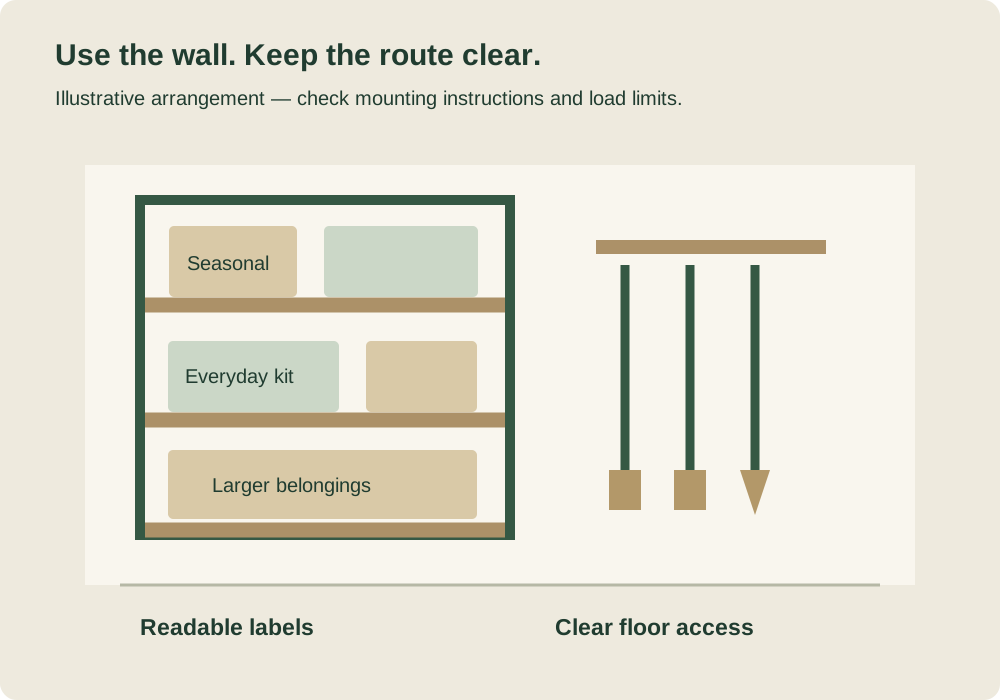
A small garage has to work hard. It may hold a vehicle, tools, bicycles, gardening supplies, and seasonal belongings—all within a limited footprint.
The goal is to give the things you need a useful home while leaving enough room to park, walk, and reach them comfortably.
1. Protect Your Parking and Walking Space
Before adding storage, identify the space your vehicle and everyday movement require.
Park as you normally would. Check where doors open, where you unload groceries, and how you reach the house or garden.
Measure the remaining space before choosing shelves or cabinets. Include handles, open drawers, and anything that projects from the wall.
Start here: decide which areas must stay clear. Build your storage plan around them.
2. Choose Shallow Storage Where Space Is Tight
Deep shelves can hold plenty, but they may also make narrow areas difficult to use. Small items can disappear behind larger ones.
For frequently used belongings, consider shallower shelving that keeps contents visible and within easy reach.
Match shelf depth to the items you intend to store. A shelf for hand tools and small containers does not need the same depth as one for bulky seasonal equipment.
3. Give Wall Space a Clear Purpose
Wall storage can help keep selected items off the floor. Use it for belongings that fit the available space and are practical to lift and return.
Possible categories include:
- Frequently used hand tools.
- Lightweight garden accessories.
- Cords and small equipment.
- Suitable sports gear.
Check that hooks, rails, or shelves are compatible with the wall and the items being stored. Follow the manufacturer’s mounting instructions and load limits.
Leave enough clearance so stored items do not interfere with vehicle doors or walking routes.
4. Use Containers That Fit Your Shelves
Choose containers after measuring your storage—not before.
Look for sizes that use the shelf space efficiently without becoming awkward to handle. Smaller containers often make it easier to separate categories and retrieve individual items.
Clear containers can help you see what is inside. Opaque containers work well when labels are readable and consistently placed.
Avoid stacking everyday items so high that reaching one container requires moving several others.
5. Make One Work Surface Serve Several Tasks
If you only need an occasional workspace, a permanent full-size workbench may take more room than your routine requires.
Consider whether a compact table, suitable folding work surface, or smaller bench would meet your needs. Check stability, dimensions, and the manufacturer’s intended use before choosing one.
Give the tools used at that surface a nearby home. A workbench is more useful when it stays available for work rather than becoming a storage shelf.
6. Store by Frequency of Use
Convenient space is valuable in a small garage. Reserve it for belongings you use often.
Keep everyday items easy to reach. Place less-used seasonal belongings in suitable locations that remain accessible when needed.
Review the arrangement as your routines change. If you repeatedly move three things to reach one, that item probably needs a better location.
7. Leave Useful Gaps
An empty section of floor or shelf is not necessarily wasted space. It can make parking, cleaning, and putting things away easier.
Avoid fitting storage into every corner simply because it will fit. Ask whether you can still reach it comfortably and use the surrounding space.
A slightly smaller storage setup may work better if it keeps the garage easy to navigate.
Before You Buy Anything
Use this short checklist:
- Measure the available space and access clearance.
- List the items that need storage.
- Try rearranging existing shelves and containers.
- Check mounting requirements and load limits.
- Confirm that doors and walking routes will remain clear.
Start with the biggest everyday frustration: tools you cannot find, containers that block access, or a workbench you cannot use.
Solve that problem first. A small garage becomes more useful through thoughtful choices, one area at a time.