
Seasonal organization
Get Your Garage Ready for Winter in Canada
A practical organization checklist for making winter essentials easier to find.
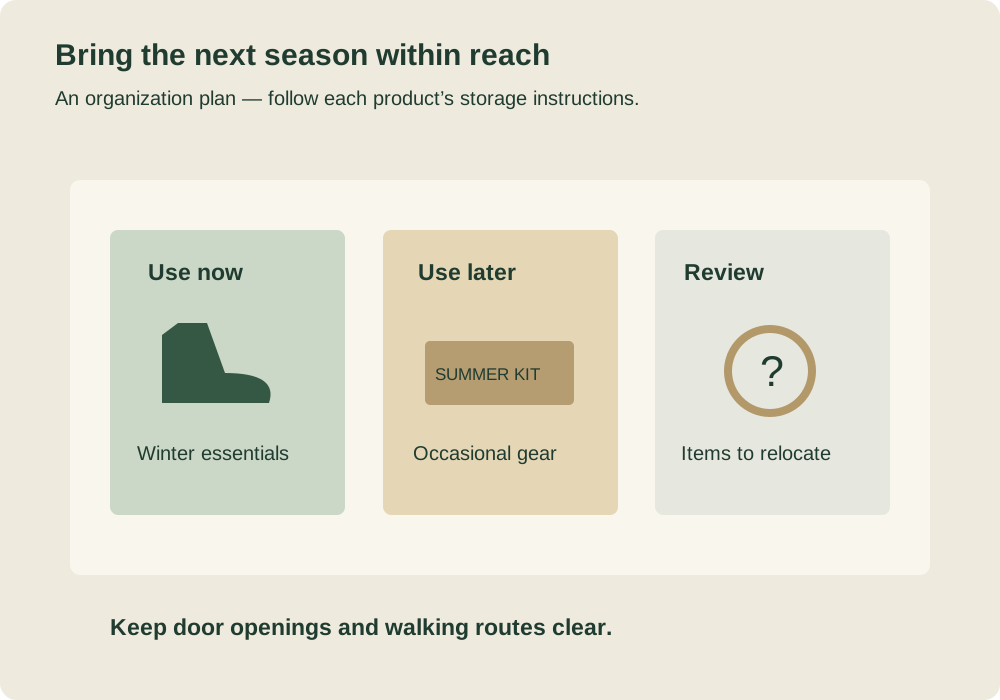
Getting your garage ready for winter starts with making room for the things you will use most. Snow-clearing tools, vehicle accessories, and winter gear should be accessible when you need them.
Use this seasonal reset to put summer belongings away, clear everyday routes, and give winter essentials a convenient home.
1. Review What Needs to Stay Accessible
Make a list of the items you regularly use during winter. Depending on your household, these might include:
- Snow shovels.
- Vehicle brushes and ice scrapers.
- Winter sports equipment.
- Outdoor footwear accessories.
- Supplies used to clean up tracked-in dirt.
Check what you already own before buying replacements. Group related items so you can see what is missing or duplicated.
2. Put Summer Gear Away With Purpose
Review gardening supplies, outdoor toys, and other items you expect to use less often.
Clean items according to their care instructions before storing them, and choose storage locations suitable for the materials involved. Check the manufacturer’s guidance for equipment or products with temperature-sensitive storage requirements.
Label containers clearly. Keep related accessories together so they are easier to find when the next season arrives.
3. Give Winter Tools a Convenient Home
Choose a location for frequently used winter tools that is easy to reach without moving several other items.
Make sure the arrangement leaves room to open doors and walk comfortably. If you use hooks or wall-mounted storage, follow the manufacturer’s installation instructions and load limits.
Try the setup before committing to it: take each item out and put it back. If that feels awkward, adjust the location.
4. Clear the Main Routes
Look at how you move between the vehicle, garage door, and house entrance.
Remove loose containers and other obstacles from these routes. Leave enough room to carry bags, handle bulky clothing, and reach your everyday supplies.
Check that storage does not interfere with the garage door’s moving parts or safety equipment. Keep any required access areas clear.
5. Plan for Wet and Dirty Items
Decide where wet footwear, snow-covered accessories, and dirty equipment will go when they come inside.
Choose washable surfaces or suitable trays where helpful, and make a routine for cleaning them. Avoid allowing temporary drop zones to become permanent piles.
Keep the arrangement simple enough that everyone in the household can use it.
6. Review Stored Products and Equipment
Read the storage instructions for the products and equipment you keep in the garage. An unheated garage may experience conditions that do not suit every item.
If an item requires specific storage temperatures, ventilation, or other precautions, follow its label and manufacturer’s guidance. Check your municipality’s instructions when disposing of products that need special handling.
Do not assume a sealed container makes every item suitable for garage storage.
7. Do a Final Access Check
Once you have rearranged the space:
- Park the vehicle and check door clearance.
- Walk the routes you use most.
- Retrieve your winter tools.
- Confirm that labels are visible.
- Make sure frequently used items are easy to put away.
Adjust anything that feels inconvenient before the garage becomes busier with winter belongings.
Your Winter Garage Checklist
- Identify the winter items you use regularly.
- Review and store summer belongings.
- Give winter tools an accessible location.
- Clear parking and walking routes.
- Plan a place for wet and dirty items.
- Check product and equipment storage instructions.
The aim is a garage that supports your winter routine. A thoughtful seasonal reset can make finding, using, and returning everyday essentials much easier.